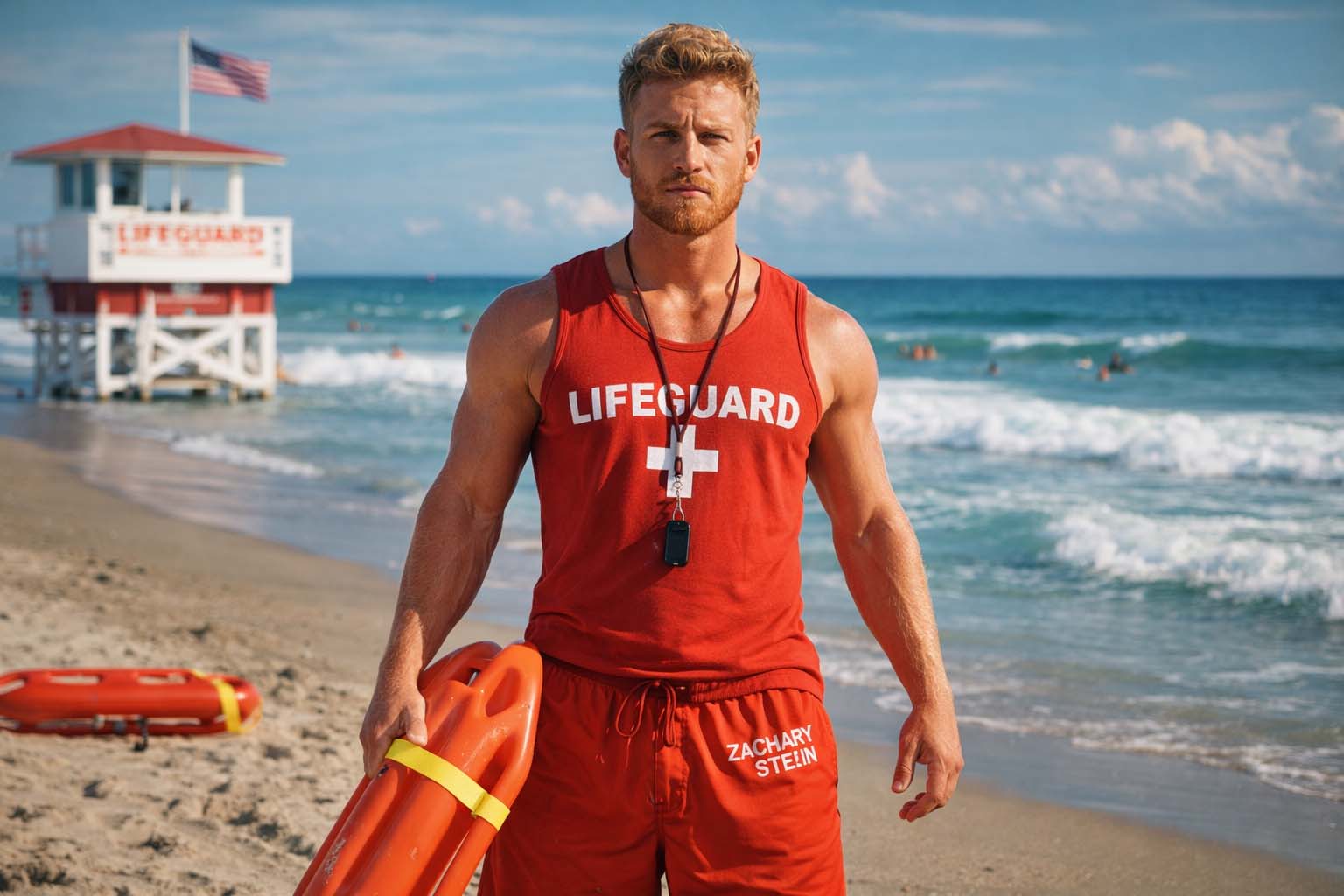
The Zachary Stein lifeguard case became widely discussed because it raised important questions about lifeguard responsibility, aquatic safety standards, emergency response, and supervision in public and private swimming facilities. The case involved a near-drowning incident at a pool in Stamford, Connecticut, where former lifeguard Zachary Stein faced criminal charges after a child was rescued from the water.
This incident attracted national attention because it highlighted how critical lifeguard vigilance is and how quickly emergencies can happen in water. It also sparked debate over whether mistakes in high-pressure jobs should lead to criminal charges or be handled through civil or administrative systems.
In this article, we explore the Zachary Stein lifeguard story, the lessons it offers, and why pool safety remains one of the most important priorities for aquatic centers everywhere.
Who Is Zachary Stein?
Zachary Stein was a lifeguard working at Chelsea Piers Connecticut when a near-drowning incident involving a five-year-old child occurred in 2017. According to reports, prosecutors alleged the child was underwater for several minutes before being noticed and rescued. Stein later performed CPR efforts after the rescue.
The case gained widespread attention because lifeguards are usually seen as emergency responders trained to prevent these situations before they become critical.
What Happened in the Incident?
According to media reports, the child was attending a camp program and was in a splash pool area when the emergency occurred. Authorities claimed surveillance footage showed the child struggling before being noticed. Once discovered, the child was removed from the water and lifesaving measures were taken.
The incident became one of the more unusual legal cases involving a lifeguard because criminal charges were filed after the child survived.
Why the Zachary Stein Lifeguard Case Became Famous
The Zachary Stein lifeguard case became well known for several reasons:
1. Rare Criminal Charges
Lifeguard incidents more commonly lead to civil lawsuits or employment discipline. Criminal prosecution is less common.
2. Public Debate
Many people debated whether the charges were fair, while others argued lifeguards hold serious responsibility.
3. Focus on Water Safety
The case reminded families and facilities that drowning can happen silently and quickly.
4. Training Standards
It led to discussions about scanning techniques, emergency readiness, and staff fatigue.
The Role of a Lifeguard
Lifeguards have one of the most important responsibilities in recreation and sports environments. Their duties usually include:
- Constantly scanning swimmers
- Identifying distress quickly
- Enforcing safety rules
- Performing rescues
- Giving CPR and first aid
- Preventing risky behavior
- Reporting hazards
The Zachary Stein lifeguard case highlighted how even a short lapse in attention can become serious.
How Drowning Really Happens
Many people imagine drowning as loud splashing and shouting, but real drowning often looks very different.
It may involve:
- Quiet submersion
- Minimal movement
- Brief struggling
- Inability to call for help
- Rapid fatigue
This is why trained lifeguards must constantly scan the water rather than become distracted.
Pool Safety Lessons from the Zachary Stein Lifeguard Story
1. Constant Vigilance Matters
Even a few seconds of distraction can be dangerous in a pool environment.
2. Children Need Extra Supervision
Young children require multiple layers of supervision, including parents, camp staff, and lifeguards.
3. Emergency Readiness Is Essential
Fast CPR and rescue response can save lives.
4. Staffing Levels Matter
Facilities need proper staff rotations to reduce fatigue and loss of focus.
Lifeguard Training Standards
Modern lifeguard training often includes:
- Rescue techniques
- Water surveillance methods
- CPR certification
- AED training
- Spinal injury response
- Communication skills
- Incident reporting
The Zachary Stein lifeguard case renewed discussion about whether facilities provide enough real-world scenario training.
Legal Questions Raised by the Case
This case also raised difficult legal and ethical questions:
Should Mistakes Become Crimes?
Some argued negligence in a life-safety role can justify charges.
Should Employers Share Responsibility?
Others said pool management, staffing, and supervision systems should also be examined.
How Much Is Individual vs System Failure?
Many safety experts note that serious incidents often involve multiple failures, not just one person.
Outcome of the Case
Reports later stated that Zachary Stein entered a diversionary probation program in Connecticut. Conditions reportedly included not working as a lifeguard for a period of time, after which charges could be dismissed if terms were completed.
What Parents Can Learn
Parents should never rely on one layer of protection alone.
Best Practices:
- Stay close to young children near water
- Use swim lessons when appropriate
- Watch actively, not casually
- Avoid phone distractions
- Know CPR basics
- Choose facilities with visible safety standards
What Pool Operators Can Learn
Aquatic centers should prioritize:
- Strong hiring standards
- Frequent refresher training
- Adequate staffing ratios
- Rotation breaks for guards
- Clear emergency drills
- Camera review and quality control
The Zachary Stein lifeguard incident showed that prevention systems are just as important as rescue skills.
Why This Case Still Gets Searched Online
Many users search Zachary Stein lifeguard because the story combines:
- Public safety
- Legal controversy
- Emergency rescue
- Human error
- Responsibility in high-stakes jobs
It remains an example often cited in discussions about negligence and professional duty.
Public Reactions
People were divided:
Supporters Said:
- He still performed the rescue
- Lifeguarding is stressful
- Criminal charges were too harsh
Critics Said:
- Lifeguards are hired specifically to prevent drowning
- Vigilance is the core duty of the role
- Children depend on professionals for safety
The Bigger Message
Beyond one individual case, the biggest takeaway is simple:
Water safety must always be proactive, not reactive.
Once someone is already underwater, every second matters.
Conclusion
The Zachary Stein lifeguard case became nationally recognized because it highlighted the serious responsibilities lifeguards carry and the speed at which pool emergencies can unfold. It also sparked important conversations about negligence, accountability, supervision, and training.
Ultimately, this case reminds everyone that drowning prevention requires teamwork, attention, and preparedness.